Challenges in Modern Wastewater Treatment
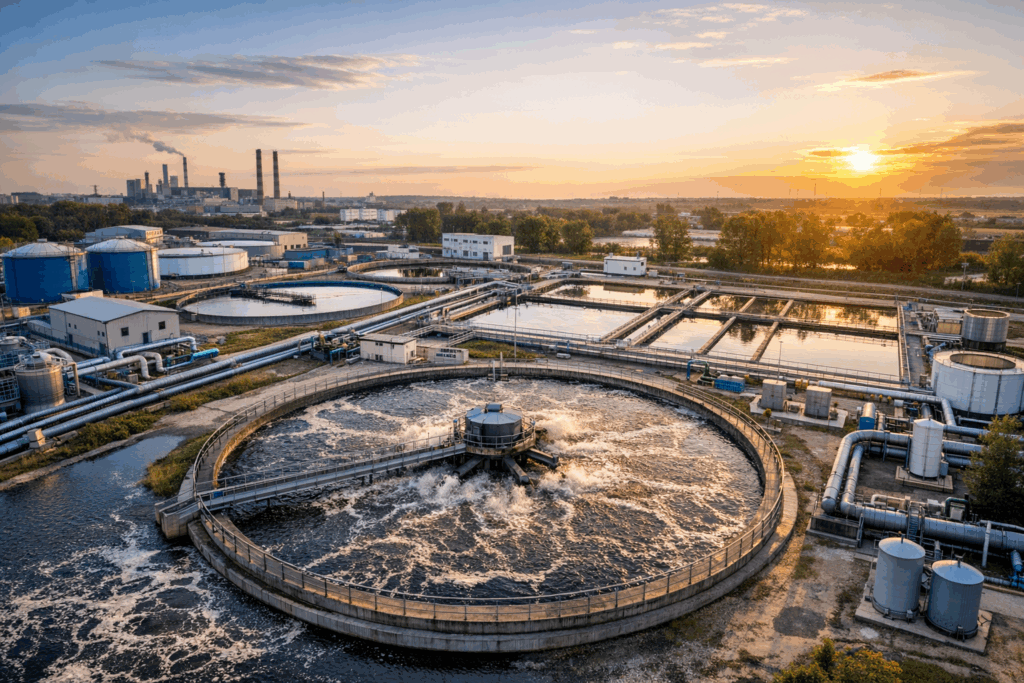
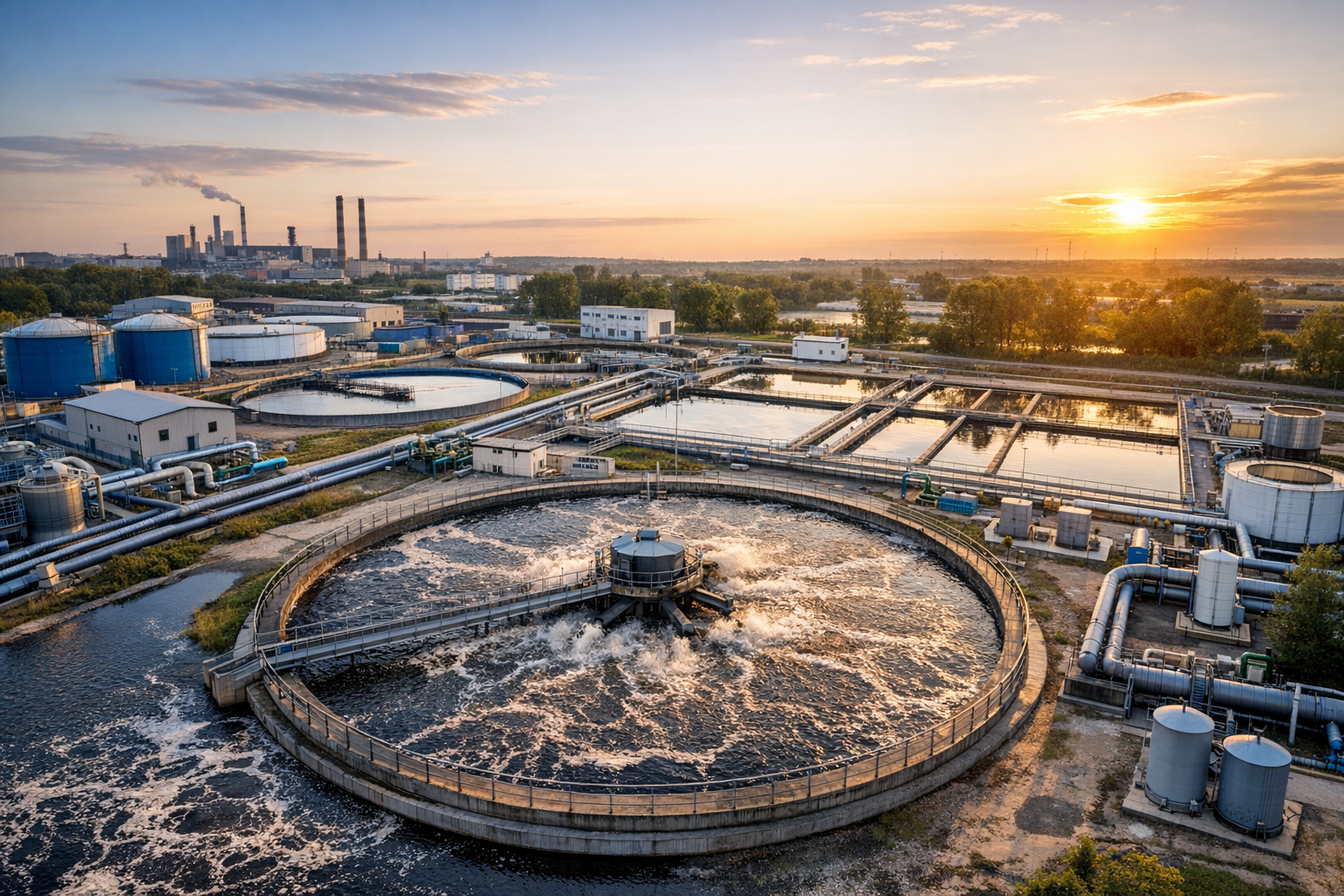
Modern wastewater treatment systems frequently struggle to maintain biological stability when faced with fluctuating contaminant loads, cold temperatures, or insufficient oxygen levels.
These conditions weaken naturally occurring microorganisms, slowing degradation processes and leading to sludge buildup, odors, and overall reduced treatment efficiency.
Integrating targeted microorganisms and biostimulants directly into secondary treatment stages helps restore microbial balance, accelerate waste breakdown, and stabilize system performance.
Benefits of Bioaugmentation for Municipal and Industrial Facilities
Chemical plants, food processors, refineries, and automotive operations can reduce BOD levels and meet strict discharge limits by adding specialized microbial blends to their wastewater streams before effluent release.
This approach not only improves effluent quality but also helps facilities avoid additional fees associated with high contaminant levels.
Moreover, regular biological dosing reduces long-term sludge accumulation, lowering dredging frequency and maintenance costs while improving plant resilience across seasonal variations.
By reinforcing natural biological processes, wastewater treatment plants can achieve greater efficiency, operational stability, and environmental compatibility.
Implementing targeted microbial solutions enhances system performance, delivers cleaner effluent, and supports sustainable treatment practices- positioning bioaugmentation as a key component of next‑generation wastewater management strategies.